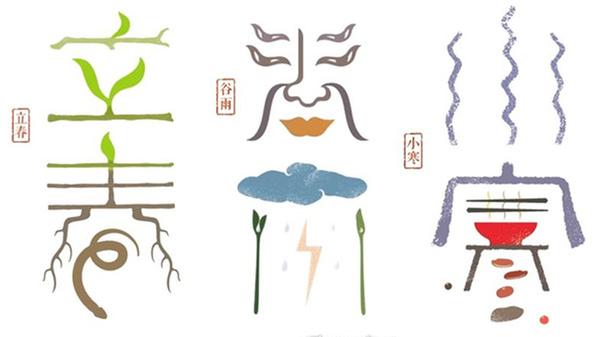
24 Solar Terms
Introduction
The 24 Solar Terms, a traditional system in the Chinese solar calendar, divides the year into 24 distinct periods. This ancient schedule, formulated by observing the sun's annual motion, serves as a guide to China’s agricultural practices and daily life. Originating over 2,000 years ago, these solar terms remain relevant today, influencing farming, cultural ceremonies, health practices, and even arts and crafts. The Twenty-Four Solar Terms, knowledge in China of time and practices developed through observation of the sun’s annual motion, were added to UNESCO's List of Intangible Cultural Heritage in 2016.
Historical Background
The inception of the 24 Solar Terms can be traced back to the Yellow River basin around 2,000 years ago, with further refinement in the Han Dynasty (206 BC-AD 220). By segmenting the solar year into 24 parts, ancient Chinese astronomers provided a framework for predicting seasonal climate changes essential for agriculture. These terms highlighted significant celestial events and natural phenomena, such as equinoxes, solstices, and cyclical climate variations, which played a vital role in ensuring successful harvests.
The 24 Solar Terms
Spring Terms
-
Start of Spring (立春): Marks the beginning of the warming season, prompting agricultural activities.
-
Rain Water (雨水): Signifies increasing rainfall, signaling the start of plowing and sowing.
-
Awakening of Insects (惊蛰): As temperatures rise, dormant insects become active.
-
Spring Equinox (春分): Day and night are of equal length, indicating the midpoint of spring.
-
Clear and Bright (清明): Known for tomb-sweeping and kite flying, it is a time of honoring ancestors.
-
Grain Rain (谷雨): Named for the nurturing rains crucial for cereal crops.
Summer Terms
-
Start of Summer (立夏): The onset of warmer weather stimulates plant growth.
-
Grain Buds(小满): Grains begin to plump but are not yet ripe.
-
Grain in Ear (芒种): Indicates the time to plant grains and cereals.
-
Summer Solstice (夏至): The longest day of the year, symbolizing peak summer.
-
Minor Heat (小暑): Initial signs of the year's hottest period.
-
Major Heat (大暑): The height of summer heat, often accompanied by thunderstorms.
Autumn Terms
-
Start of Autumn (立秋): Signals the transition from summer to autumn.
-
End of Heat (处暑): Marks the gradual cooling of temperatures.
-
White Dew (白露): Dew forms as the air cools, heralding autumn.
-
Autumn Equinox (秋分): Day and night are again equal in length.
-
Cold Dew (寒露): Dew becomes colder, a prelude to frost.
-
Frost's Descent (霜降): Frost appears, indicating the approach of winter.
Winter Terms
-
Start of Winter (立冬): First signs of winter, as temperatures drop.
-
Minor Snow (小雪): Light snowfalls begin.
-
Major Snow (大雪): Heavier snow and colder temperatures ensue.
-
Winter Solstice (冬至): The shortest day and longest night of the year.
-
Minor Cold (小寒): The onset of the coldest period.
-
Major Cold (大寒): The coldest phase of winter, concluding the solar cycle.
Cultural Significance
The Solar Terms reflect the Chinese philosophy of harmony between man and nature, embodying a deep respect for natural cycles. Each term is associated with specific agricultural tasks and cultural customs, including traditional festivals, foods, and rituals. This integration of astronomy with cultural practices underscores the holistic approach of traditional Chinese culture towards understanding and living in harmony with the natural world.
Modern Practices
Today, the 24 Solar Terms continue to influence Chinese culture and lifestyles. While they guide agricultural activities, they also inspire art, cuisine, and traditional medicine. For instance, food festivals and dietary practices align with specific solar terms, promoting seasonal eating and health. Artists and designers draw inspiration from these terms, creating works that celebrate the beauty and wisdom inherent in traditional Chinese culture. The solar terms also find expression in modern media, including animated videos and educational programs aimed at preserving this heritage.








